If you are thinking about buying a short-term rental in Greene County, it helps to start with one simple truth: you are not just buying a house. You are buying into a seasonal travel market, a local permit system, and a property that needs to function smoothly for guests. If you understand those pieces before you make an offer, you can avoid expensive surprises and make a smarter investment decision. Let’s dive in.
Greene County STR demand starts with tourism
Greene County draws visitors year-round, and that shapes how a short-term rental performs. County tourism materials describe the area as a four-season Catskills destination, with visitors coming for hiking, camping, fishing, skiing, mountain biking, paddling, snowmobiling, and mountain-town getaways.
Tourism patterns also matter when you estimate income. The county reports traffic spikes around fall foliage, then begins climbing again in early December. Visitor spending was estimated at $283 million in 2022, which is a strong reminder that local travel demand is real, but it is also seasonal.
For you as a buyer, the big takeaway is this: a Greene County STR should be evaluated like a hospitality asset. You want to think beyond the charm of the house and ask how well the location, layout, and systems fit weekend travelers, ski visitors, and seasonal guests.
Location fit matters more than hype
Not every attractive property is a strong short-term rental candidate. In Greene County, demand is closely tied to recreation, seasonal travel, and easy-access getaway patterns.
A property may have more booking potential if it lines up with the way people actually visit the area. That often means access to mountain towns, outdoor activities, and the kinds of trips people take in summer, fall, winter, and spring. The tourism profile supports this pattern, even though it is not the same thing as a published occupancy study.
That is why your search should start with practical market fit. A beautiful home in the wrong location, or one with awkward access for guests, may be harder to operate than a simpler home that fits how visitors use Greene County.
Features that support smooth guest stays
In this market, the best features are often the least flashy. Buyers can get distracted by design finishes, but local rules and guest logistics usually make a bigger difference.
Features that tend to matter most include:
- Off-street parking
- Enough sleeping space to stay within occupancy rules
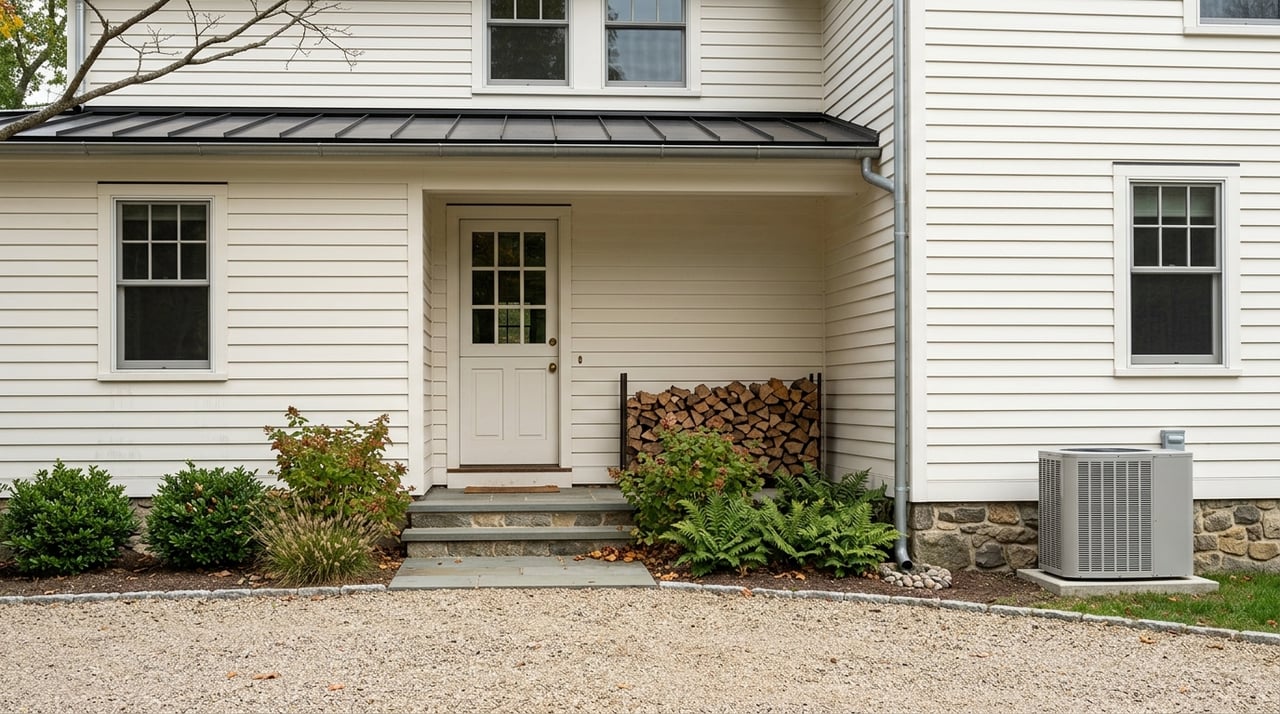
- Reliable heating and cooling
- Clearly marked entrances and visible house numbers
- A layout that makes trash handling and guest turnover easier
- Space for outdoor gear and seasonal items
These priorities are grounded in local code themes that repeatedly focus on parking, occupancy caps, safety items, and emergency access. In other words, function matters.
If you are comparing properties, ask yourself which home will be easiest to operate on a busy weekend with guest turnover, winter weather, and local compliance requirements. That question usually tells you more than cosmetic upgrades alone.
Heating, fire safety, and older systems need extra attention
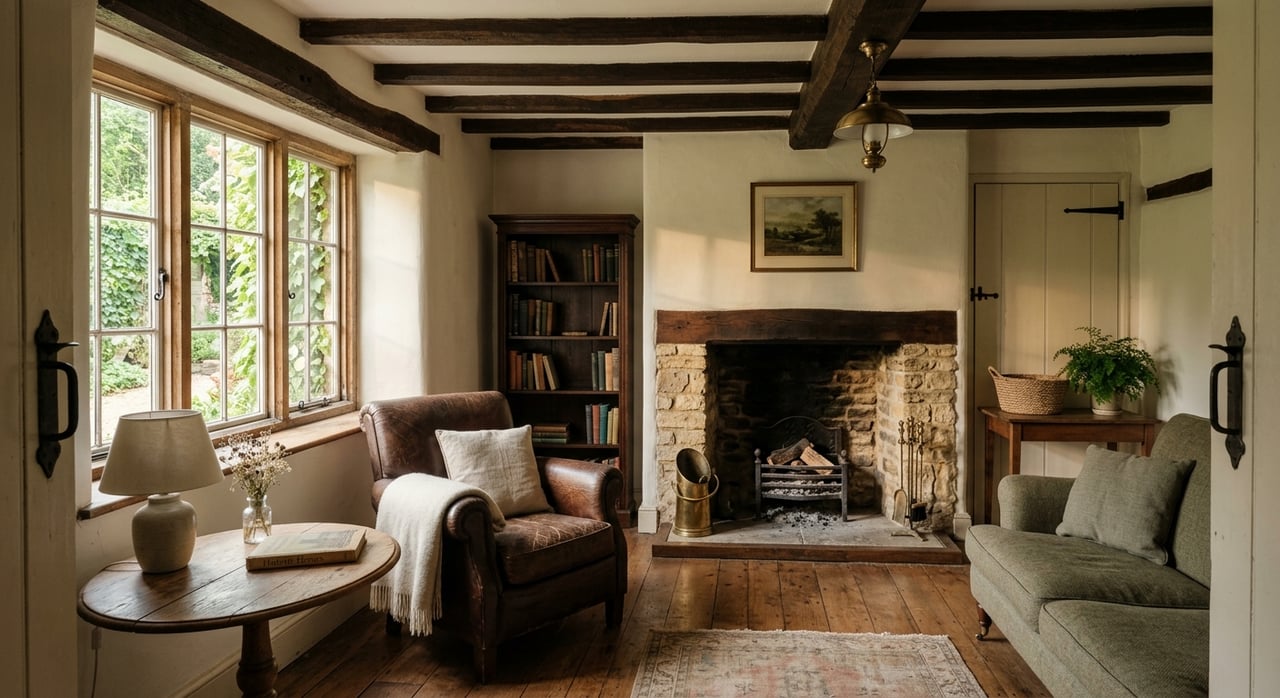
Many Greene County homes have rural or older property features that need closer review. A fireplace, woodstove, or older heating system can absolutely be part of the appeal, but only if the system is properly maintained and compliant.
For example, the Town of Catskill requires smoke detectors, carbon monoxide detectors, a fire extinguisher, annual chimney inspection, and compliance with New York State fire and building codes. The Village of Athens also requires smoke and carbon monoxide detectors and a visible 911 number.
This is especially important for buyers relocating from more urban areas who may be less familiar with rural property systems. Before you buy, confirm what heating equipment is in place, what maintenance records exist, and whether the home is already set up to support safe guest use.
Permits and rules vary by municipality
One of the biggest mistakes STR buyers make is assuming Greene County has one set of rules. It does not. Local requirements can change depending on whether the property is in the Town of Catskill, the Town of Athens, the Village of Athens, or another municipality.
That means your due diligence has to begin with one question: Where exactly is the property located? The answer affects what kind of registration, permit, or special use approval may be required.
Here are a few important examples from the research:
- Town of Catskill: A permit is required before a unit is used as a short-term rental. The permit is valid for one year, the town inspects the unit, and the permit can transfer to a new owner if the new owner updates the filing within 30 days.
- Village of Athens: Permits are nontransferable and expire when ownership changes. The owner must also keep a local contact person within 20 miles, post the permit and local laws, and follow parking and occupancy rules.
- Town of Athens: The owner must register the unit, maintain a local contact person in the county if the owner does not live there, and include occupancy and conduct rules in advertising.
Even the definition of a short-term rental can differ. The Town of Athens defines it as overnight lodging for eight consecutive days or less, while the Town of Catskill and Village of Athens use a less-than-30-days framework.
That difference matters. A house may work legally for one rental pattern but not another, depending on the municipality and zoning district.
Greene County registration is only one layer
At the state level, New York now requires covered counties to establish a short-term rental registration system. Hosts must register in the county where the unit is located, registrations are valid for two years, and the registration number must appear in listings and advertisements.
Greene County says there is no fee to register a unit. The county also explains that the registry helps it track impacts on emergency services, roads, utilities, and housing availability.
For you as a buyer, that means county registration is important, but it does not replace local rules. You still need to confirm whether the specific municipality also requires a permit, inspection, local contact, or special use approval.
Special events can trigger a different set of rules
If your plan includes hosting larger gatherings, the zoning analysis becomes even more important. A property that works for overnight stays may not be approved for weddings, parties, or event-driven use.
In the Village of Athens, a property used as a commercial wedding or party venue more than once a year needs a special use permit. The village also separately treats some non-owner-occupied investment properties as needing a special use permit.
The Town of Catskill also states that commercial events are not allowed unless the parcel separately complies with the town’s commercial event venue rules. If events are part of your business plan, you need that answer before closing, not after.
Taxes can affect your numbers
Your income estimate is only useful if your tax assumptions are right. New York Tax Department guidance says state and local sales tax applies to short-term rental occupancy in New York when the rate is more than $2 per unit per day.
The same guidance says a guest is treated as a permanent resident after 90 consecutive days. It also notes that charges such as service fees, host fees, cleaning fees, and pet fees may be taxable as part of occupancy.
Because localities may have their own occupancy taxes or administrative rules, it is smart to confirm the remittance process before you close. This is one reason an STR purchase should be treated as both a real estate and an operating business decision.
Your pre-offer due diligence checklist
Before you make an offer on a Greene County short-term rental candidate, try to answer these questions:
- Which municipality is the property in?
- Does that municipality require a registration, a permit, or a special use permit?
- Will any current permit transfer after closing, or does it expire on sale?
- Does the property have enough off-street parking?
- Does the bedroom count support your intended occupancy within local rules?
- Are smoke detectors, carbon monoxide detectors, extinguishers, and egress requirements already addressed?
- If there is a fireplace, woodstove, septic system, or other rural infrastructure, are maintenance records available?
- Have you reviewed the likely tax collection and recordkeeping obligations with the right professionals?
These questions may not feel as exciting as kitchen finishes or mountain views, but they are often what separates a workable investment from a stressful one.
Buy for compliance first, upgrades second
It is easy to imagine quick cosmetic updates boosting appeal. Sometimes they do. But in Greene County, a successful STR purchase usually starts with zoning fit, parking, safety, and operational ease.
That means the best opportunity is not always the prettiest home on day one. It may be the property that already fits the local rules, handles guest logistics well, and requires fewer changes to become rental-ready.
For many buyers, especially investors and second-home shoppers, this is where experienced local guidance matters. A thoughtful search can help you focus on homes that align with municipal rules, realistic guest use, and the practical demands of operating in the Catskills.
If you are considering a short-term rental in Greene County, Theresa Joyner can help you evaluate properties with a clear, client-first approach, from location fit and rural property systems to the questions you should raise before you commit.
FAQs
What should buyers know about short-term rental demand in Greene County?
- Greene County is a four-season tourism market, with visitor activity tied to outdoor recreation, fall foliage, winter travel, and seasonal getaways, so buyers should underwrite an STR as a seasonal hospitality asset.
What permit rules apply to short-term rentals in Greene County?
- Permit and registration rules vary by municipality, so you need to confirm the exact requirements for the town or village where the property is located, in addition to Greene County registration requirements.
What property features matter most for a Greene County short-term rental?
- Off-street parking, code-compliant occupancy, reliable heating and cooling, safety equipment, visible addressing, and a layout that supports easy turnover are some of the most practical features to prioritize.
What should buyers know about Athens and Catskill STR rules?
- The Town of Catskill, Town of Athens, and Village of Athens each have different definitions, permit structures, contact requirements, and transfer rules, so nearby properties can be treated very differently under local law.
What taxes apply to short-term rentals in New York?
- New York says state and local sales tax can apply to short-term rental occupancy and certain related charges, including cleaning or pet fees, so buyers should confirm how collection and remittance will work before closing.
What due diligence should buyers complete before offering on a Greene County STR?
- Buyers should verify municipality-specific permit rules, permit transferability, parking, occupancy limits, fire safety items, rural system maintenance, and the likely tax and recordkeeping process before making an offer.