If you are trying to decide whether Albany County fits your life, you are not alone. Some buyers want an easy commute, some want more space, and others want a mix of outdoor access, local culture, and practical everyday convenience. The good news is that Albany County offers a little of all three, which is why it stands out in the Capital Region. This guide will help you see who tends to do well here, what tradeoffs to expect, and how to decide whether it matches your goals. Let’s dive in.
Why Albany County Stands Out
Albany County offers a middle-ground lifestyle that can be hard to find in one place. It has more employment density, services, and housing variety than many rural counties, but it also offers more space and a broader range of settings than a city-only market.
The county includes 19 municipalities across 533 square miles and had an estimated population of 321,225 in 2025. Recent county profile data also shows a 56.6% owner-occupied housing rate, a median owner-occupied home value of $294,600, a median gross rent of $1,313, median household income of $85,333, and broadband subscription at 90.5%.
For many buyers, that combination creates flexibility. You can look at urban neighborhoods, suburban communities, or more rural areas without leaving the county.
Who Albany County Fits Best
Albany County tends to work well for buyers who do not want to choose between convenience and breathing room. If you want access to jobs, parks, restaurants, and regional transportation, but still want options in home style and setting, this county deserves a close look.
Here are the types of buyers who often find a good fit here:
- People who work in government, healthcare, higher education, or professional services
- Buyers who want suburban towns while staying close to the Capital Region
- Hybrid workers who value broadband access and manageable commuting options
- Buyers who want outdoor recreation without giving up everyday amenities
- People comparing upstate markets who want both city and rural choices in one county
If your priorities are variety and flexibility, Albany County has a strong case.
Jobs And Commute Considerations
One of Albany County’s biggest strengths is its employment base. For an upstate county, it has a notably stable mix of public-sector, healthcare, education, technology, finance, arts, and law-related opportunities.
The Empire State Plaza is a major government and office complex. Albany Medical Center is one of the area’s largest private employers, and the broader Albany Med Health System reports 16,800 employees. The University at Albany also points to opportunities in government, technology, business, healthcare, and education.
County labor data adds more context. In 2023, Albany County had 9,465 employer establishments and 180,421 jobs, with a mean commute time of 21.4 minutes.
That matters if you want a market where work and home life can feel more connected. It is especially appealing if you are a commuter, public-sector employee, healthcare worker, or hybrid professional who wants regional access without living in a very large metro core.
Regional Access And Travel
Albany County also works well if you need to move around the region with relative ease. Albany International Airport sits near the junction of I-90 and I-87, and the area is also connected by Amtrak service, bus lines, and major highways.
That kind of access can make a real difference in daily life. It helps if you travel for work, visit family often, or want a home base that keeps the broader region within reach.
For relocation buyers, this is often a major plus. You can maintain access to transportation infrastructure while still exploring neighborhoods and towns that feel less dense than a major city.
Lifestyle: Culture, Parks, And Outdoors
Albany County offers more than job access. It also has a strong mix of civic, cultural, and outdoor amenities that shape day-to-day life.
Downtown Albany includes major landmarks like the New York State Capitol, the Empire State Plaza, and the New York State Museum. Washington Park adds year-round recreation and hosts the annual Tulip Festival.
If outdoor access is high on your list, the county has real depth. John Boyd Thacher State Park offers six miles of limestone cliff-face, more than 25 additional miles of trails, and wide views of the Hudson-Mohawk Valleys and nearby mountain ranges. The Albany Pine Bush Preserve spans 3,100 acres and includes trails for hiking, bicycling, cross-country skiing, and horseback riding.
The Albany County Helderberg-Hudson Rail Trail adds another option, with a 9.8-mile route running from Albany through Delmar and Slingerlands to Voorheesville. For buyers who want weekends that include walking, biking, or simply getting outside, Albany County has a lot to offer.
Housing Choices Across The County
One reason Albany County appeals to a wide range of buyers is its housing mix. You are not limited to one kind of market.
In the City of Albany, you will generally find the county’s densest and most rental-heavy housing patterns. City data shows renter households make up 62.1% of city households, compared with 43.3% countywide. The city’s home values and rents are also lower than the county overall, which helps explain why it can serve as a more attainable entry point for some buyers.
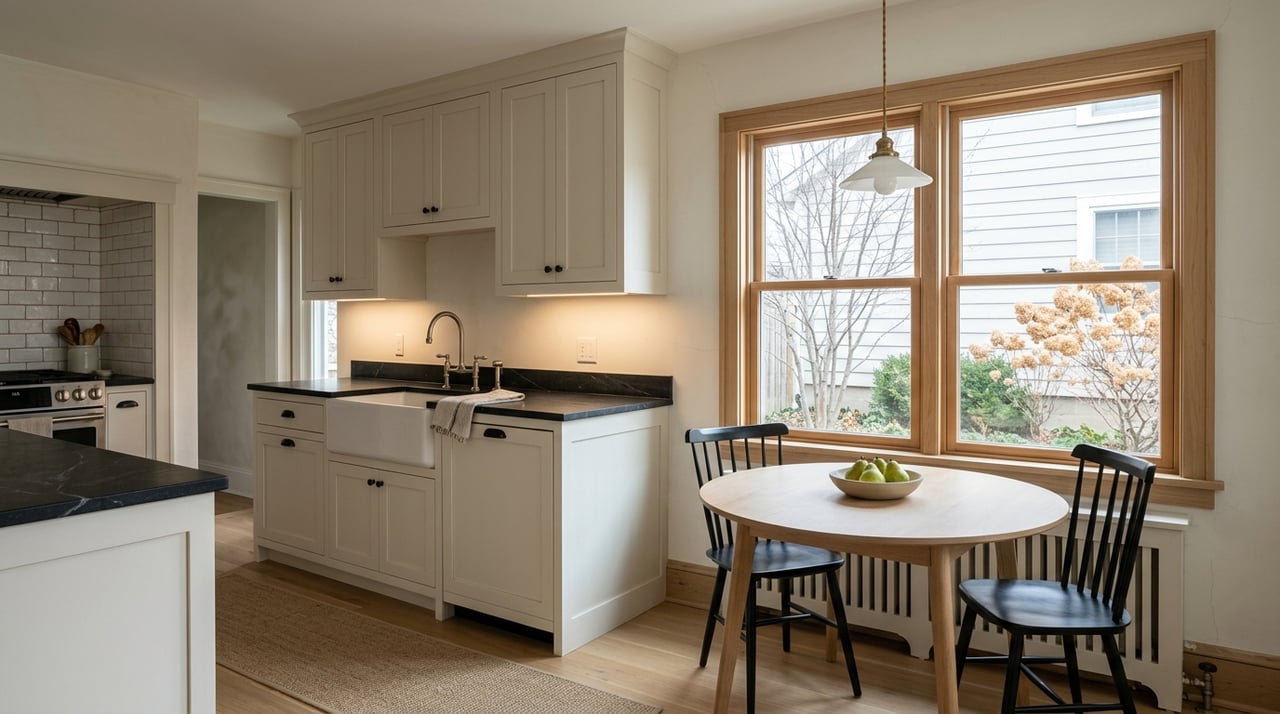
Within Albany itself, housing types vary by neighborhood. Official city descriptions note restored historic homes in Center Square, Victorian row houses in Mansion, a mix of households in Pine Hills, mainly single-family homes in Buckingham Lake/Crestwood, and a more suburban feel in the Dunes.
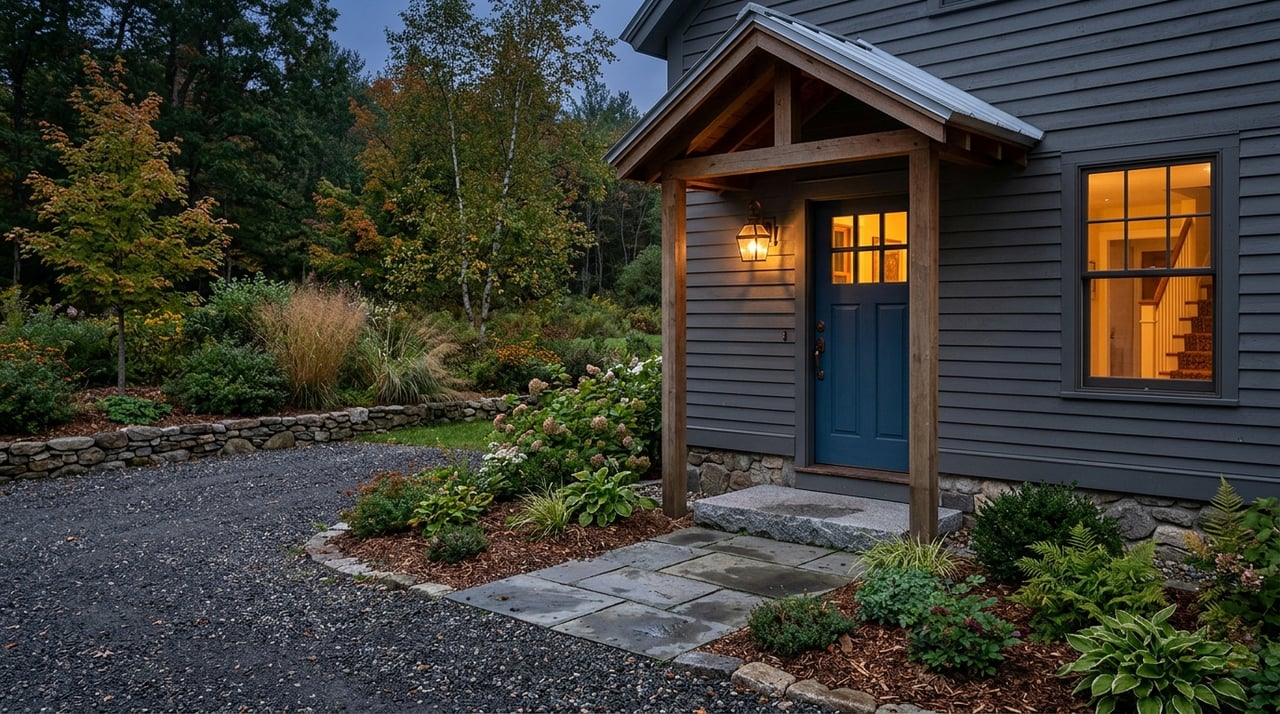
Outside the city, the pattern shifts. Colonie is a major suburb tied closely to the airport and Wolf Road. Guilderland blends small-town character with busier suburban areas. Bethlehem offers scenic rural landscapes along with established neighborhoods. New Scotland has a small-town profile and access to Thacher State Park. The Helderberg Hilltowns, including Berne, Knox, Westerlo, and Rensselaerville, offer the county’s most rural settings.
Urban, Suburban, Or Rural?
If you are unsure what kind of setting fits you best, Albany County gives you room to compare. That is a practical advantage, especially if you are relocating or changing lifestyle priorities.
City-Oriented Buyers
You may prefer Albany city if you want more walkability, easier access to cultural anchors, and a wider range of rental and attached-home options. It can also be appealing if you want a lower-cost entry point compared with some suburban areas.
Suburban Buyers
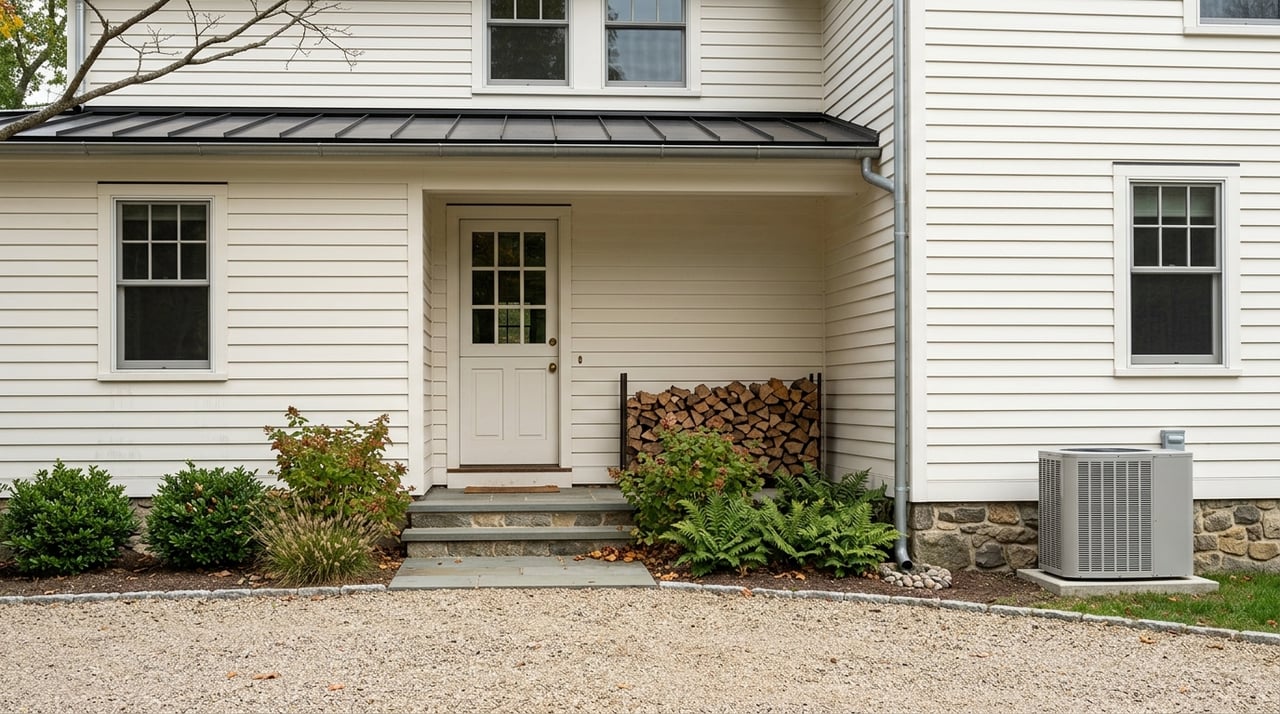
You may lean toward places like Colonie, Guilderland, or Bethlehem if you want more single-family housing, neighborhood-style living, and convenient access to services and job centers. These areas often appeal to buyers who want balance rather than extremes.
Rural-Oriented Buyers
You may prefer New Scotland or the Hilltown communities if you want more land, a quieter setting, or stronger access to open space. Just keep in mind that more space can also mean more upkeep and longer drives for daily errands.
Tradeoffs To Think Through
No county is perfect for every buyer. Albany County has strong range, but that range comes with a few practical tradeoffs.
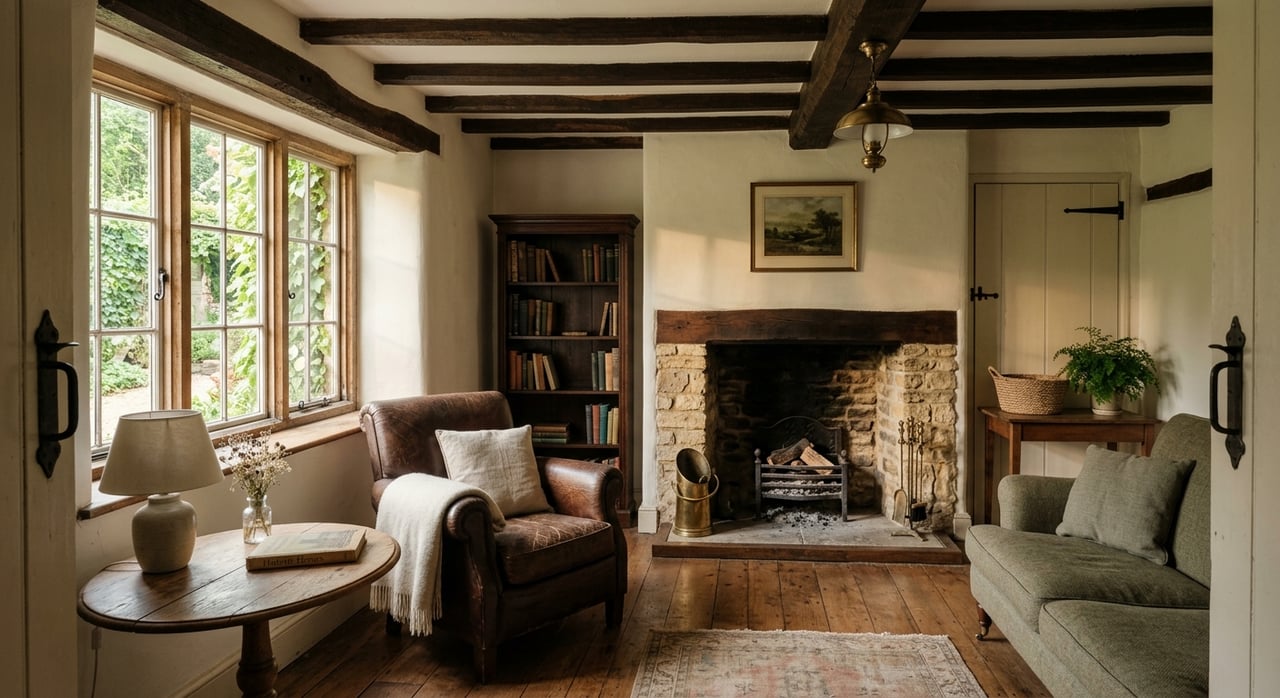
First, many of the more affordable or more spacious options may come with older housing stock. That can mean more maintenance, updates, or ongoing care over time.
Second, the most walkable lifestyle is concentrated in Albany and a few close-in areas. If you want a fully car-free routine, your options may feel more limited than in a denser city.
Third, if your ideal market is a very large, purely urban environment, Albany County may not offer that same level of density or constant activity. Its strength is balance, not one single lifestyle extreme.
Questions To Ask Yourself
If you are still deciding whether Albany County is the right move, ask yourself a few simple questions:
- Do you want access to multiple job sectors nearby?
- Are you looking for a mix of parks, trails, and cultural amenities?
- Would you like to compare city, suburban, and rural homes within one county?
- Are you comfortable with the possibility of older housing or longer drives in exchange for more space?
- Do you want regional transportation access without committing to a dense urban core?
If you answered yes to most of these, Albany County may be a strong fit.
Why Local Guidance Matters
Albany County offers range, but that also means your home search needs a clear strategy. The right fit for you depends on your commute, budget, lifestyle, and comfort with different property types and upkeep levels.
That is where informed, client-first guidance matters. When you are comparing neighborhoods, suburbs, or rural areas, you need advice that helps you weigh tradeoffs clearly and make a confident decision based on your goals.
If you are exploring Albany County and want practical, conflict-free guidance, Theresa Joyner can help you evaluate your options with the personalized care and loyal representation you deserve.
FAQs
Is Albany County, NY good for commuters?
- Yes. Albany County has a mean commute time of 21.4 minutes, major highway access, bus service, Amtrak connections, and Albany International Airport near I-90 and I-87.
Is Albany County, NY better for urban or suburban living?
- It can work for both. The City of Albany offers a denser, more walkable environment, while places like Colonie, Guilderland, and Bethlehem provide more suburban housing patterns.
Does Albany County, NY have good outdoor access?
- Yes. The county includes John Boyd Thacher State Park, the Albany Pine Bush Preserve, Washington Park, and the 9.8-mile Helderberg-Hudson Rail Trail.
Is Albany County, NY a good fit for remote or hybrid workers?
- It can be. The county combines broadband access, a range of housing types, and regional transportation options, which can appeal to buyers who split time between home and office.
What kind of homes can you find in Albany County, NY?
- You can find a broad mix, including historic city homes, multifamily housing, suburban single-family homes, and more rural properties with extra land.
What are the tradeoffs of living in Albany County, NY?
- Common tradeoffs include older housing stock in some areas, longer drives in more spacious locations, and fewer fully car-free options outside the city and close-in neighborhoods.