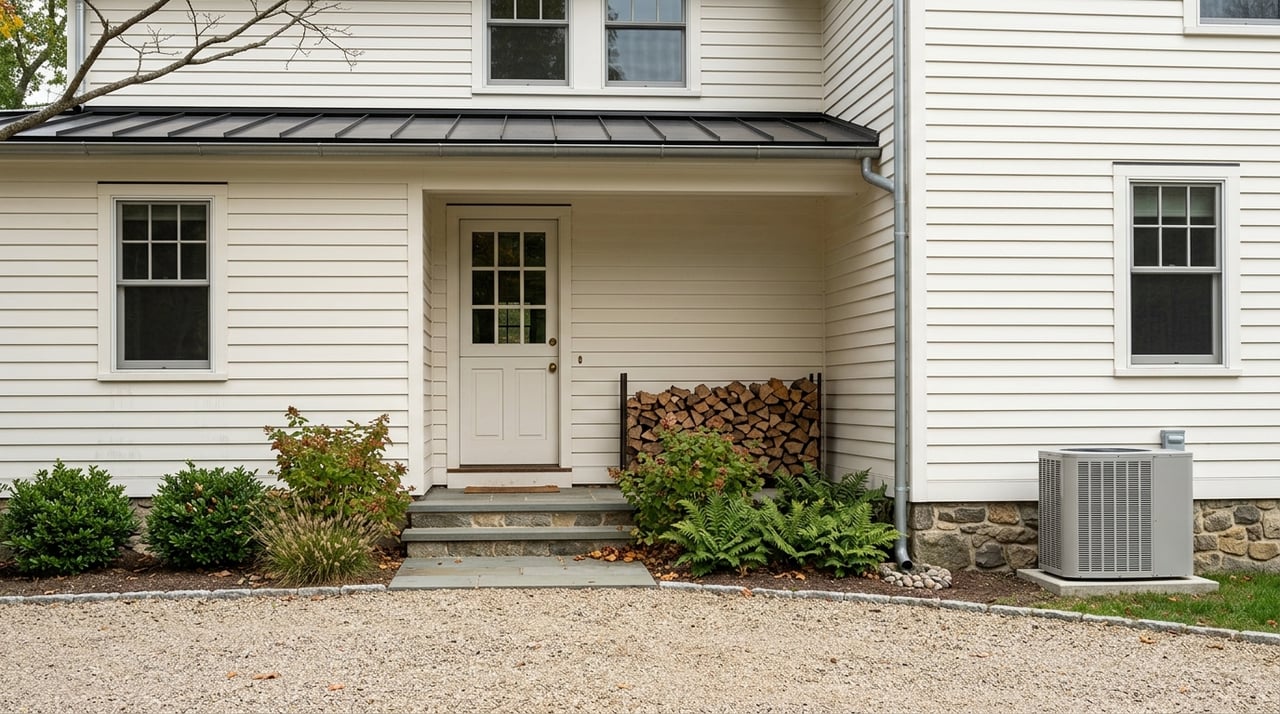
Selling a home in Columbia County is not just about putting a sign in the yard and waiting for offers. In a market where county median sale figures for 2025 fall roughly between $485,000 and $527,450 depending on the data source, the way you prepare your property can shape both buyer interest and how smoothly your sale moves toward closing. If you want fewer surprises, stronger presentation, and less last-minute scrambling, a smart prep plan makes a real difference. Let’s dive in.
Why preparation matters in Columbia County
Columbia County remains a higher-value market within the Hudson Valley, which means buyers often come in with strong expectations. They are paying close attention to condition, upkeep, records, and how clearly a property’s features are presented.
Preparation also affects more than first impressions. According to the 2025 NAR staging report, 29% of agents said staging increased the dollar value offered by 1% to 10%, and 49% of sellers’ agents said staging reduced time on market. That makes a strong case for doing the simple things well before your home goes live.
Start with cleaning and decluttering
The highest-impact updates are usually the least dramatic. Before you think about bigger projects, focus on making the property feel clean, calm, and easy to understand.
Staging guidance consistently points to the same basics: pack away personal items, reduce bulky furniture, use neutral paint where needed, improve the entry, and keep closets from looking overstuffed. Buyers tend to respond best when they can quickly see the space itself rather than your belongings.
If you are deciding where to focus first, start with the rooms buyers notice most:
- Living room
- Primary bedroom
- Dining room
- Kitchen
These spaces often carry the most visual weight during showings and listing photos. When they feel bright, open, and well maintained, the whole property tends to show better.
Fix the small issues buyers notice fast
You do not need a full remodel to create confidence. In many cases, it is the small visible defects that make buyers wonder what else has been deferred.
Before listing, take care of obvious maintenance items such as:
- Loose hardware
- Worn or cracked caulk
- Scuffed walls
- Chipped trim
- Burnt-out lightbulbs
- Sticky doors
- Minor drainage or seepage signs you already know about
These fixes are usually less expensive than major renovations, but they can change the tone of a showing. A home that feels cared for tends to create less buyer hesitation.
Gather disclosures early
One of the best ways to avoid delays is to start your paperwork before the home hits the market. In most New York sales of 1-4 family residential properties, the Property Condition Disclosure Statement must be completed before a binding contract is signed, and the signed form must be attached to the purchase contract.
This requirement does not generally apply to condominiums, co-ops, vacant land, or property in an HOA that the seller does not own in fee simple. It is also important to know that an “as is” clause does not remove the disclosure requirement for covered sales.
The form is detailed, and Columbia County sellers often need time to gather accurate information. It asks about topics including:
- Easements and title issues
- Certificates of occupancy
- Floodplain status
- Wetlands
- Agricultural district status
- Fuel storage tanks
- Asbestos
- Lead plumbing
- Radon testing
- Septic or cesspool age and pumping history
- Water quality and flow testing
- Drainage or seepage issues
The key is simple: answer from actual knowledge, not guesswork. If you collect records early, you will be in a much stronger position when buyers begin asking questions.
Pay close attention to lead, well, septic, and flood issues
Some Columbia County properties have systems or conditions that deserve extra attention before listing. Getting organized up front can help you avoid friction later.
Lead paint in older homes
If your home was built before 1978, federal law requires disclosure of known lead-based paint and known lead-based paint hazards for most sales. Buyers must also receive a 10-day opportunity to inspect or assess lead hazards.
If there is peeling or chipping paint, it is wise to address it carefully. New York guidance advises that repairs should use lead-safe methods when lead-based paint may be present.
Private well records
If your property uses a private well, testing history matters. The New York State Department of Health recommends testing at least once a year for bacteria and every 3 to 5 years for other contaminants, with late spring or early summer noted as the best time for testing.
If you already have recent results, keep them accessible. If not, consider gathering updated information before buyers ask for it.
Septic or cesspool details
The disclosure form specifically asks for the age of the septic or cesspool system, the last pumping date, pumping frequency, and any known defects. In rural and semi-rural areas, this information often carries real weight with buyers.
A missing service history can slow down a deal. A simple file with receipts, inspection notes, and pumping dates can make your transaction feel much more straightforward.
Flood history and insurance timing
Flood-related questions should never wait until the contract stage. The New York State Department of Environmental Conservation notes that standard homeowners insurance usually does not cover flood damage, and flood insurance may be available even outside mapped flood zones.
It also notes that NFIP policies generally have a 30-day waiting period unless an exception applies. Since the disclosure form asks about floodplain status, flood insurance, elevation certificates, water penetration, and flood-related claims, it makes sense to organize that history early.
Tailor staging to your property type
A Columbia County sale often involves more than a standard suburban house. Historic homes, village properties, farms, and acreage each call for a slightly different prep strategy.
Historic homes
With older homes, buyers usually respond best when original character is preserved rather than erased. Gentle cleaning, careful repair, and a light touch often work better than aggressive cosmetic updates.
If your home has historic windows, woodwork, plaster, masonry, or original interior details, the goal is to make those features feel maintained and intentional. Clean presentation and sensible repair can go further than trying to force a modern look that does not fit the house.
Farm properties and acreage
For farms, barns, and larger parcels, prep is about more than the main residence. Buyers are also evaluating access, usability, storage, and how the land and outbuildings function.
That means it helps to:
- Clear unnecessary clutter from barns and sheds
- Organize tools and equipment
- Define access paths
- Improve basic visibility around outbuildings
- Keep records related to land use and systems easy to find
If the property is partially or wholly within an agricultural district, New York law requires a disclosure notice. Buyers should understand that context early, including that normal farming activities may involve noise, dust, or odors and may affect utility access.
Village houses
Village homes often benefit most from strong curb appeal and disciplined room layout. Smaller spaces tend to show best when furniture scale is reduced and walkways are clear.
The goal is to help buyers read the room size, flow, and storage quickly. A tidy entry, lighter visual styling, and fewer oversized pieces can make a compact home feel more open.
Get ahead of common closing delays
A smooth sale is not just about showing well. It is also about making sure county records, taxes, and title-related items do not create a last-minute problem.
Verify taxes carefully
Columbia County’s Treasurer notes that the county tax database shows paid and unpaid property taxes for parcels in the county except the City of Hudson. It also notes that village parcels in Chatham, Kinderhook, Philmont, and Valatie do not include village taxes in the county database.
That means you should confirm all outstanding obligations separately, including town, county, school, and village taxes where applicable. An unpaid balance discovered late can delay closing.
Check recording requirements
The Columbia County Clerk’s fee schedule shows that deed recording involves charges and required transfer paperwork, including the RP-5217 real property transfer report and state transfer-tax affidavit items. The Clerk also notes a separate Chatham transfer-tax filing for property in the Town of Chatham.
This is exactly the kind of detail that can get missed if you wait too long. A little early review can save a lot of closing-table stress.
Review public records before buyers do
Columbia County offers public records tools through the County Clerk and a real-property portal with parcel, assessment, and tax-map information. The county also offers a fraud-alert service that notifies owners when deeds or mortgages are recorded under their names.
These tools can help you confirm title history, check parcel details, and spot issues early. If something needs clarification, it is much better to find it yourself before a buyer or attorney raises it.
Estate sales may need extra title steps
If you are selling property from a decedent’s estate, New York Tax Department guidance says the seller must request and receive a release of lien before transferring the real property. This is easy to overlook, but it can create a serious closing delay if not addressed early.
If your sale involves inherited property, put this item near the top of your prep checklist.
A simple seller prep checklist
If you want a practical way to organize your next steps, start here:
- Deep clean the home
- Declutter and depersonalize key rooms
- Repair small visible defects
- Refresh paint only where needed
- Gather disclosure records before listing
- Organize well, septic, and flood documents
- Address lead-related disclosure needs for pre-1978 homes
- Confirm agricultural district status if applicable
- Verify taxes, including village taxes where relevant
- Review county records and parcel details early
- Check for estate or title issues before contract time
The real goal is fewer surprises
In Columbia County, the smoothest sales usually come from preparation that is thoughtful, honest, and specific to the property. You do not need to over-improve the home. You need to present it clearly, disclose it accurately, and make it easy for buyers to understand what they are buying.
That is where strong representation matters. A seller-focused, guidance-led process can help you prioritize the right updates, avoid wasted effort, and keep the transaction moving with fewer preventable issues. If you are thinking about selling and want a practical plan tailored to your home, Theresa Joyner can help you prepare with clear, conflict-free guidance.
FAQs
What should sellers do first before listing a Columbia County property?
- Start with deep cleaning, decluttering, and fixing small visible issues. Those steps usually have the biggest impact on presentation and buyer confidence.
What disclosures are required for many Columbia County home sales?
- For most New York sales of 1-4 family residential properties, the Property Condition Disclosure Statement must be completed before a binding contract is signed and attached to the purchase contract.
What records matter for Columbia County homes with wells or septic systems?
- Sellers should gather well test results, septic or cesspool age, last pumping date, pumping frequency, and any known defects before listing.
What should Columbia County sellers know about flood information?
- Sellers should organize floodplain status, flood insurance details, elevation certificates if available, prior flood claims, and any history of water penetration early in the process.
What extra step may apply to inherited property sales in Columbia County?
- If the property is being transferred from a decedent’s estate, the seller may need to obtain a release of lien before the property can be transferred.