If you are leaving NYC and debating Orange County versus going farther north, the biggest question is usually not just price. It is how you want to live day to day. Do you need real commuter rail, more nearby services, and a smoother transition out of the city, or do you want more space and a quieter feel even if that means more driving? This guide will help you compare the tradeoffs so you can narrow your search with more confidence. Let’s dive in.
Why Orange County stands apart
Orange County often feels like the bridge between the New York City orbit and the rest of the Hudson Valley. It sits on the southern edge of the comparison area and borders both New Jersey counties and several Hudson Valley counties, which helps explain why many buyers see it as the last stop before the region starts to feel more rural.
It also offers the largest housing inventory in this group. Census estimates show about 152,412 housing units in Orange County, compared with 124,277 in Dutchess, 87,166 in Ulster, 33,578 in Columbia, and 29,250 in Greene. For you as a buyer, that can mean a broader mix of homes, settings, and price points to explore.
Rail access changes the decision
For many NYC buyers, rail access is the clearest dividing line between Orange County and counties farther north. If a train commute is non-negotiable, Orange and Dutchess deserve the closest look.
Orange County rail options
Orange County has commuter rail through the Port Jervis Line. Current service includes stops at Port Jervis, Otisville, Middletown/Town of Wallkill, Campbell Hall, Salisbury Mills/Cornwall, Harriman, and Tuxedo, with transfers at Hoboken, Secaucus, or Penn Station-New York for onward service.
That matters because it gives you a real rail-based path into the city. It may not make every commute short or simple, but it does create an option that many farther-north counties do not offer in the same way.
Dutchess County as the other rail choice
If you are open to going farther north but still want commuter rail, Dutchess County is the strongest alternative in this group. Metro-North service reaches stations including Poughkeepsie, New Hamburg, Beacon, Wassaic, Tenmile River, Dover Plains, Harlem Valley-Wingdale, Pawling, Patterson, Southeast, and Brewster.
That gives Dutchess a strong case for buyers who want a north-of-Orange location without giving up train access into the broader Metro-North network.
What happens beyond Dutchess
Once you move beyond Dutchess, daily commuting generally becomes more car-dependent. The Metro-North commuter map does not extend into Ulster, Columbia, or Greene, even though the region does include some intercity rail touchpoints such as Hudson and Rhinecliff.
If you work remotely most days, that may not bother you. If you expect to go into NYC often, though, this is where the practical difference between Orange and farther north becomes much more noticeable.
Commute time is not the same as commute access
It is easy to assume that counties with rail will always have the best commute picture, but the data is more nuanced. Census QuickFacts shows mean travel time to work at 34.1 minutes in Orange County, 31.2 in Dutchess, 27.8 in Ulster, 26.4 in Columbia, and 28.9 in Greene.
That does not mean Orange is less commuter-friendly than all of them. It means average commute time and actual NYC access are not the same thing. Many buyers care less about the countywide average and more about whether they personally have a workable route into the city.
Space and density shift as you go north
Another major difference is how the area feels on the ground. As you move north, the market generally feels less dense and more spacious.
Using housing units per square mile as a proxy, Orange comes in at about 188 units per square mile. Dutchess is about 156, Ulster about 78, Columbia about 53, and Greene about 45. This is not a direct measure of lot size, but it does help explain why Orange often feels more built out, while counties farther north often feel more open.
What that means for your search
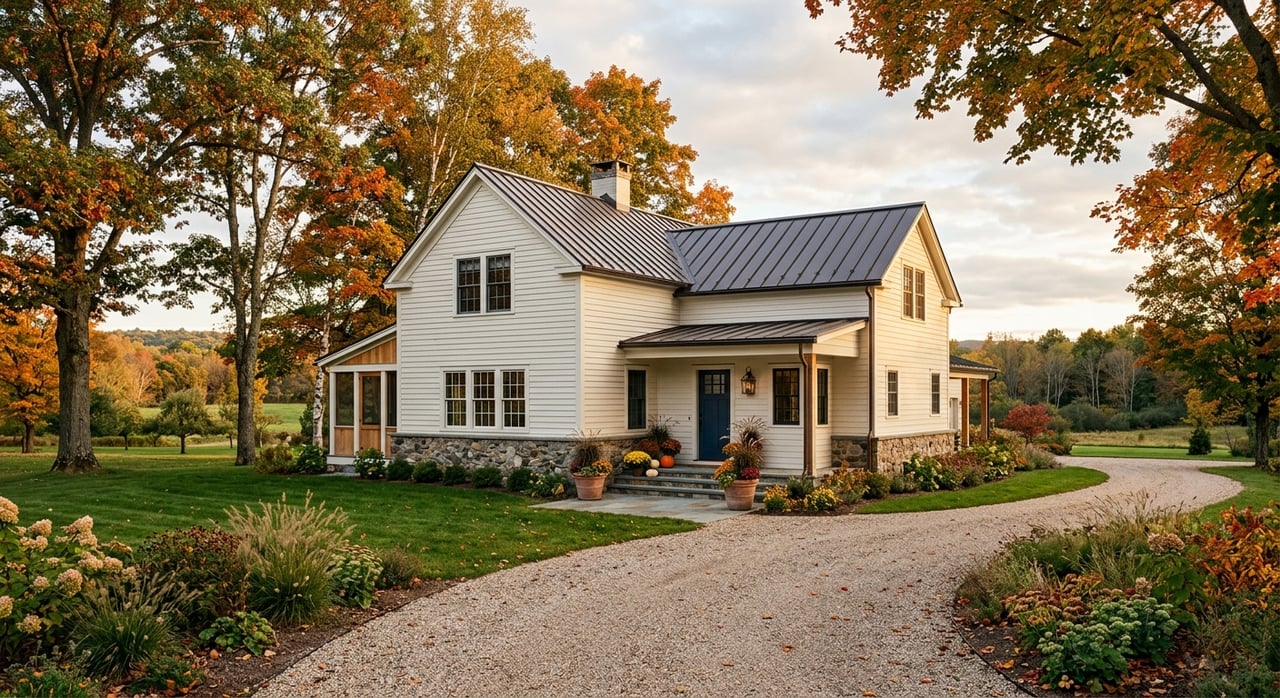
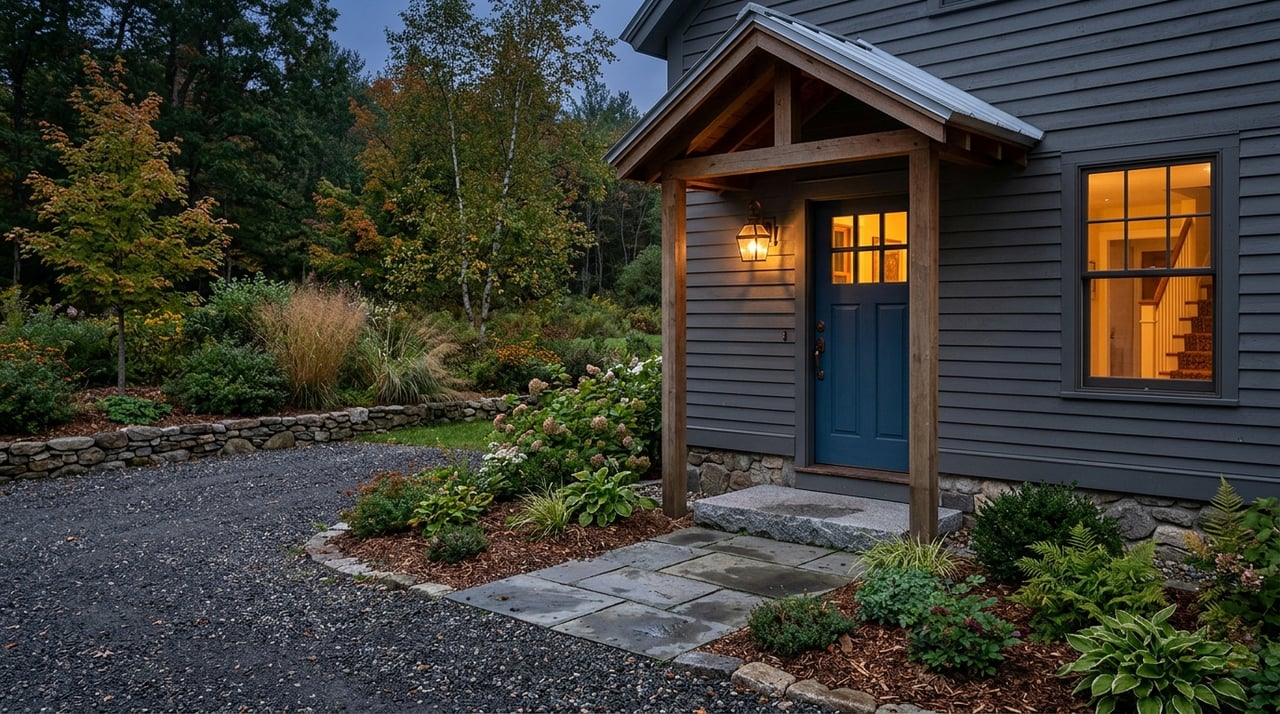
If you want a setting that still feels connected, Orange may feel like a comfortable middle ground. If you want more room between homes and a stronger rural or semi-rural atmosphere, Ulster, Columbia, and Greene are more likely to match that goal.
This is also where practical due diligence becomes important. When you shift toward more rural properties, you may run into issues that relocation buyers often need help understanding, such as land use limits, heating systems, or private infrastructure considerations. That is one reason many buyers benefit from an education-first approach when comparing counties across the Hudson Valley.
Orange County is not the bargain option
A lot of NYC buyers assume Orange County is the budget play because it sits south of much of the Hudson Valley. The numbers do not support that.
The median value of owner-occupied homes in Orange County is $387,900. That is lower than Dutchess at $400,600, but higher than Ulster at $352,500, Columbia at $347,100, and Greene at $271,600.
How to think about value instead
Orange is better understood as a compromise market than a discount market. You are often balancing access, inventory, and services against the possibility of getting more space or a lower median home value farther north.
So if price is your top priority, Orange should not automatically be your first stop. If convenience and rail matter more, paying somewhat more than you might in Ulster, Columbia, or Greene may still make sense for your lifestyle.
Daily convenience favors Orange
Lifestyle is not only about the house itself. It is also about what your weekly routine feels like once you live there.
Orange County has a larger local service base than the counties in this comparison. Census figures show 10,467 employer establishments and $8.89 billion in retail sales in Orange, compared with 7,677 and $5.07 billion in Dutchess, 5,038 and $3.10 billion in Ulster, 1,819 and $1.09 billion in Columbia, and 1,203 and $855.5 million in Greene.
Why this matters in real life
For you, that usually means easier access to day-to-day services, shopping, and local job options. It can make the transition from city living feel less abrupt.
Farther north, the tradeoff is often more quiet, more breathing room, and more reliance on driving for errands. Neither is better for everyone. It depends on whether you want convenience, space, or some balance of both.
Which county fits your priorities?
The right answer depends on what you are unwilling to compromise on. A simple framework can help.
Choose Orange County if you want balance
Orange may be the best fit if you want:
- Commuter rail access through the Port Jervis Line
- A broader housing inventory
- More day-to-day services nearby
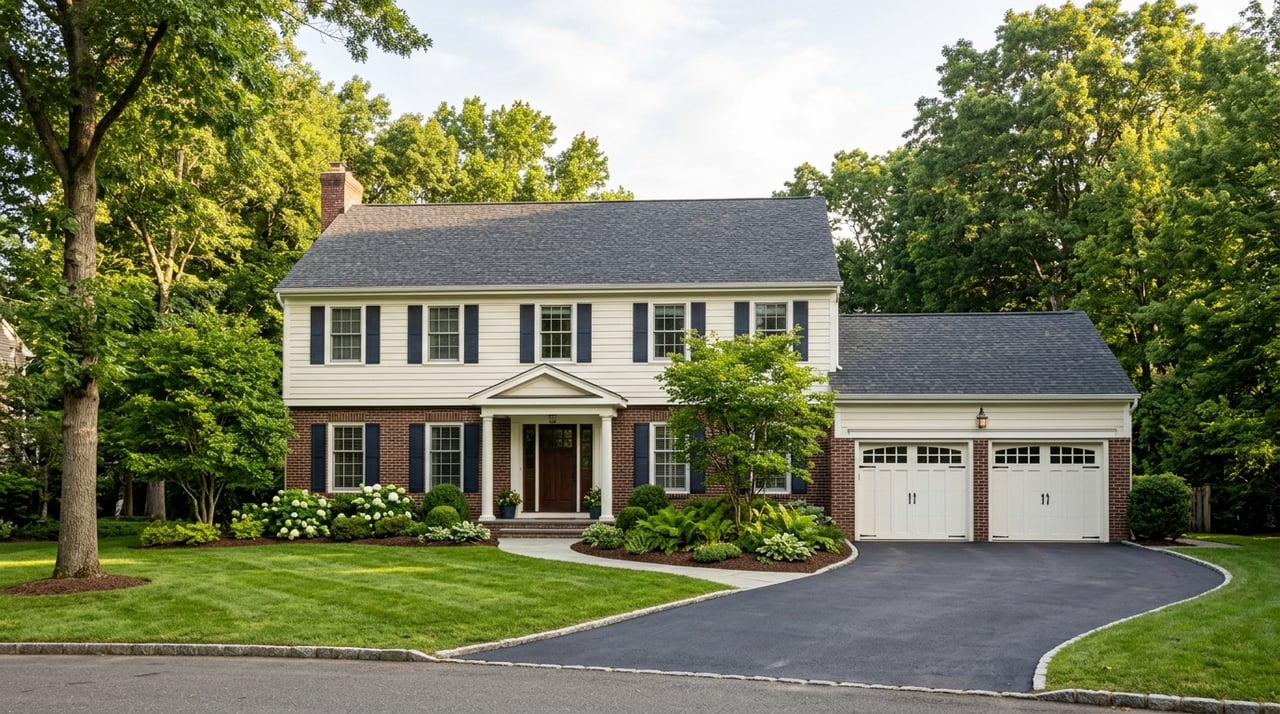
- A setting that is less dense than NYC but not as rural as counties farther north
Orange works well for buyers who want a practical middle ground between access and space.
Choose Dutchess if you want rail farther north
Dutchess may be a better fit if you want:
- Metro-North access deeper into the Hudson Valley
- A north-of-Orange location with established commuter rail connections
- A balance between access and a somewhat more spacious feel
For some NYC buyers, Dutchess is the strongest alternative to Orange when rail still matters.
Choose Ulster, Columbia, or Greene if space leads
These counties may fit better if you want:
- Lower density and a more open feel
- More rural or semi-rural surroundings
- Greater comfort with driving more often
- Potentially lower median home values than Orange
Columbia and Greene stand out most clearly if your top goal is room to spread out and a quieter setting.
A smart way to narrow your search
If you are still torn, start with your non-negotiables instead of starting with county names. Ask yourself:
- How often will you realistically go into NYC?
- Is commuter rail required, preferred, or irrelevant?
- Do you want everyday convenience close by?
- How much space do you want around you?
- Are you prioritizing lower median home values, or overall lifestyle fit?
Once you answer those questions, the map often gets much clearer. Orange is usually the compromise choice. Dutchess is the stronger farther-north rail option. Ulster, Columbia, and Greene become more appealing when space and quiet matter more than commuter convenience.
If you want help comparing Hudson Valley counties through a buyer-first lens, Theresa Joyner offers concierge-style guidance built around clear education, practical due diligence, and conflict-free representation.
FAQs
Is Orange County New York a good fit for NYC buyers who still need commuter rail?
- Yes. Orange County has Port Jervis Line access with stops including Middletown/Town of Wallkill, Harriman, Tuxedo, and others, making it one of the key Hudson Valley options for buyers who still need rail access tied to the NYC region.
Is Dutchess County better than Orange County for a New York City commute?
- Not always. Dutchess is another strong rail-access county, but the better fit depends on where you plan to live, how often you commute, and whether you value Metro-North access over Orange County’s location and service base.
Are homes in Orange County cheaper than homes farther north in the Hudson Valley?
- Not necessarily. The median value of owner-occupied homes in Orange County is higher than Ulster, Columbia, and Greene, so Orange should not be viewed as the default budget option.
Which Hudson Valley counties feel more rural than Orange County?
- Ulster, Columbia, and Greene generally feel more spacious and less dense than Orange County, with Columbia and Greene standing out the most for buyers seeking a quieter, more rural atmosphere.
What is the biggest difference between Orange County and farther north counties for NYC buyers?
- The biggest difference is usually the balance between commuter access and space. Orange tends to offer more rail access, inventory, and everyday services, while farther north counties often offer a lower-density feel and more reliance on driving.