"As short-term rental properties have proliferated, affordable housing options for our employees have become more difficult to secure." That line came from Chip Seamans, president of Windham Mountain, when the resort explained why it was converting a defunct roadside motel into staff housing. It reads like a hiring problem. It is actually a housing market signal, and it points to something buyers comparing towns in Greene County right now need to understand before they anchor on a single number.
If you have already looked up Greene County's median home price, you have a figure in your head. That figure is not wrong. It is just describing something less specific than it sounds.
One county, at least two markets
Two of the more widely cited data providers put Greene County's overall housing figures in roughly the same neighborhood this year. Over the three months ending April 2026, the median sale price across the county was $399,000, up 14.8 percent from the same period a year earlier, with homes selling in an average of 80 days compared with 110 days the year before. A separate estimate places the countywide average home value at $373,047 as of June 2026, up 2.4 percent year over year.
Both of those numbers are accurate. Neither tells you what a specific town will cost, because Greene County is not one market wearing a single price tag. It is a resort corridor and a set of river and farm towns that happen to share a county line, and the gap between them is wide enough to change what "Greene County real estate" even means depending on where you point.
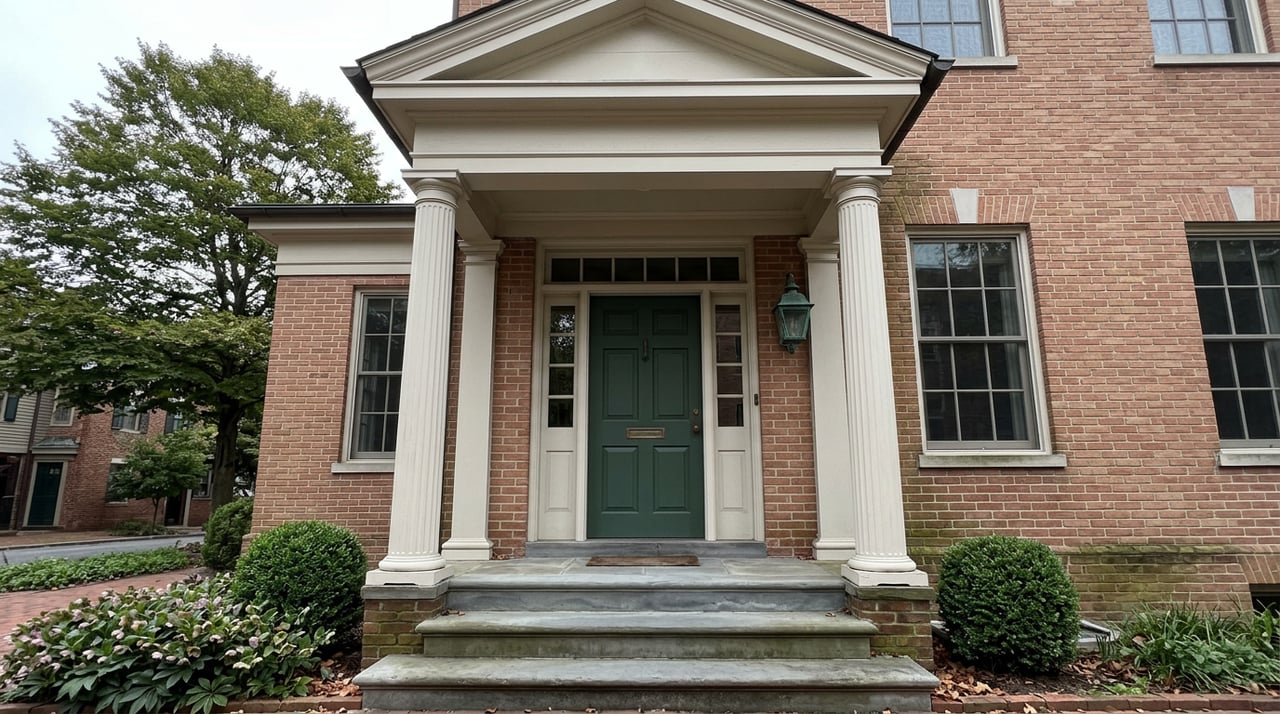
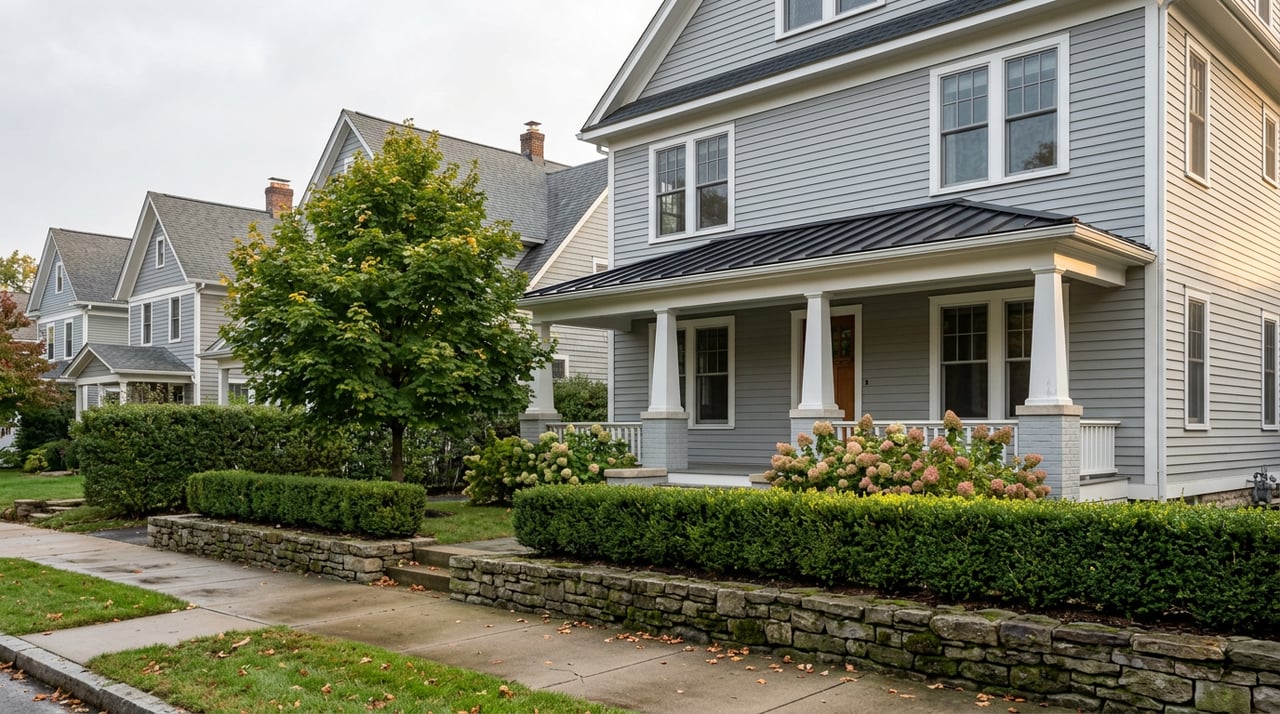
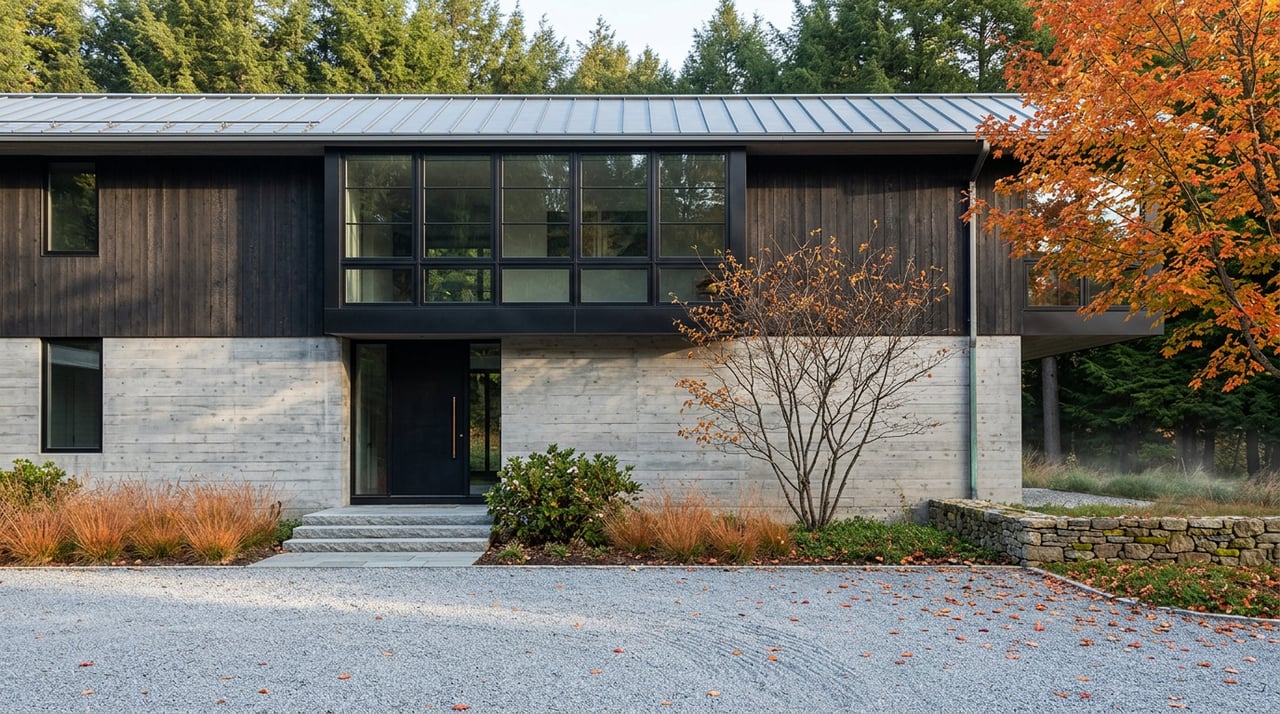
At one end, entry-level homes in towns like Coxsackie and Cairo can still be found under $300,000, though inventory at that level stays thin. Renovated farmhouses and historic homes across the county, the kind of character properties that draw buyers who want an older house without a full gut renovation, mostly land between $350,000 and $600,000. Mountain and ski-adjacent properties in Windham, Hunter, and Tannersville typically start around $400,000 and climb considerably from there. At the extremes, Durham has posted a median listing price near $699,000, the priciest town in the county, while Maplecrest has averaged closer to $99,000, among the most affordable.
| Price tier | Where you'll find it | Typical range | What's pushing the price |
|---|---|---|---|
| Entry-level | Coxsackie, Cairo, parts of Catskill | Under $300,000 | Local demand, limited inventory at this level |
| Farmhouse and historic | Countywide, outside the resort towns | $350,000-$600,000 | Character housing, no resort premium attached |
| Mountain corridor | Windham, Hunter, Tannersville | $400,000 and rising | Second-home demand, institutional investment |
| County extremes | Durham (high) / Maplecrest (low) | ~$699,000 vs. ~$99,000 | Shows the full spread inside one county |
A buyer who treats the countywide median as a benchmark for, say, Cairo is comparing against a number that was pulled upward by a market they are not actually shopping in.
Follow the money to Windham
The clearest reason that upward pull exists right now has a name attached to it. Windham Mountain, under new ownership since 2023, rebranded as Windham Mountain Club and has poured tens of millions of dollars into the resort, according to local news coverage of the investment. The company has since presented a master plan to the Town of Windham Planning Board covering roughly 245 acres across 36 tax parcels, a package that includes new residential development at the base of the mountain, base lodge improvements, and an expanded adventure center, all working through site plan and subdivision review with the town.
That investment is already visible in what gets marketed to buyers. In April 2026, a nearly 12-acre parcel went up for sale directly across from the slopes, bordered by the resort's newest amenity build (known internally as "The Valley") and by the Batavia Kill stream, with underground electric and municipal sewer access already in place. Listings like that do not happen in towns where the biggest local employer is a hardware store. They happen where a single company's capital expenditure is reshaping what land near it is worth, regardless of what mortgage rates are doing to everyone else.
The resort has also built out ownership products tied to its own membership, including a partner development of 59 mountain townhomes whose owners gain access to the club's amenities. None of this activity shows up in a countywide median. It shows up as a widening gap between what Windham, Hunter, and Tannersville cost and what the rest of the county costs, and it is the same force behind the employee housing squeeze Seamans described. When a resort company is buying land, converting motels into staff housing, and building membership-linked residences all inside a few square miles, the ordinary housing stock in that corridor gets pulled toward resort economics. The river towns twenty minutes away are not plugged into that same circuit, so their prices keep answering to local demand instead.
Why the clock is running slower even as prices climb
Here is the part that looks contradictory until you follow the incentive. Prices rose 14.8 percent over the year ending April 2026, and homes sold faster, not slower, dropping from 110 days on market to 80. The obvious read is a hot market. The more accurate read is a locked market.
A large share of Catskills homeowners financed or refinanced during the era of sub-3-percent mortgage rates. Prevailing rates now sit closer to 6 percent, meaning a homeowner who sells and buys a comparable property is often trading a 3-percent loan for one roughly double that rate. Faced with that math, plenty of owners who might otherwise list simply do not. Fewer listings means the properties that do come to market get absorbed faster, which produces exactly the pattern the data shows: rising prices and shrinking days on market, without necessarily meaning that ten buyers are competing for every house.
That rate-lock effect applies everywhere in the county, from Cairo to Durham. What makes the mountain corridor different is that it has a second force layered on top: institutional capital that is not particularly sensitive to mortgage rates at all, because it is not financing a single-family purchase, it is funding a resort's expansion plan. Everywhere else, the constraint is ordinary owners staying put. In Windham, Hunter, and Tannersville, the constraint is ordinary owners staying put plus a company actively bidding up what is available.
What this means if you're comparing towns right now
If you are shopping Greene County with a countywide number in your head, the practical fix is simple: stop comparing against the county and start comparing against the specific town, because the median tells you almost nothing about whether a given property is priced fairly for its actual neighborhood.
A few things worth checking before you get attached to a number:
Short-term rental rules are not uniform across Greene County. Regulations vary by municipality, and what is allowed in one town can be restricted or licensed differently a few miles away. If your plan for a mountain-corridor property includes rental income, confirm the local rules before you factor that income into your offer.
A slower-moving listing in a river town is not necessarily a red flag. Given the rate-lock dynamic, longer days on market outside the resort corridor often just reflects thinner inventory rather than a property with a problem.
The resort corridor's price growth is being driven in real time by an identifiable company's investment decisions, not by broad demand across the whole county. That is useful information if you are weighing a Windham-adjacent purchase against a comparable property in Cairo or Coxsackie: you are not choosing between two versions of the same market, you are choosing between a market with an institutional tailwind and one without it.
A couple of questions worth asking before you write an offer
Does the countywide price increase mean every town in Greene County is appreciating at the same rate? No. The 14.8 percent figure is a county average built from towns with very different underlying demand. A property in the mountain corridor is being priced against resort-driven demand; a property in a river or farm town is being priced against local buyers, and the two can move at different speeds in the same year.
If I buy near Windham Mountain Club, can I assume I'll be able to run a short-term rental? Not automatically. Rules differ by municipality within Greene County, and the resort's own housing purchase for employees was made specifically because short-term rental growth had already tightened the available stock. Confirm local zoning and rental regulations for the specific parcel before you count on that income.
Comparing towns inside Greene County means comparing two different sets of incentives, not one market at two price points. If you want a second opinion on what a specific town or price tier actually supports right now, before you make an offer based on a countywide average, One Stop Realty is glad to walk through it with you. Schedule a free consultation and we'll help you figure out which market you're actually shopping in.