Thinking about buying in Ulster, Dutchess, or Putnam County and feeling unsure about wells, septic, or oil heat? You’re not alone. If you’re moving from NYC or buying your first rural home, these systems can feel unfamiliar. In this guide, you’ll learn how to evaluate water quality, what a real septic inspection looks like, and how to confirm oil or propane details before you close. Let’s dive in.
Private wells: what to expect
Private wells are not regulated the way public water systems are. The New York State Department of Health strongly recommends a baseline water test for any home with a well and routine retesting over time. As a buyer, you should also schedule a mechanical well check to understand pump performance and system condition. Together, these steps help you confirm safety and plan for any maintenance.
New wells and major well work in New York are performed by DEC‑registered contractors. Drill crews must follow state construction standards and file well completion reports. Ask the seller for the well log and any past repair or testing records. You can also review the state’s program overview and find registered drillers through the NYSDEC Water Well Contractor Program.
Water testing: what to order
For a purchase, plan a baseline lab test and add parameters based on risk. NYSDOH recommends testing for total coliform bacteria, E. coli if present, and nitrate/nitrite as a starting point. Depending on local geology, age of plumbing, or prior results, you may also test for arsenic, iron, manganese, or lead. See the state’s guidance on recommended residential water testing and frequency.
If you are buying in Ulster, Dutchess, or Putnam, keep an eye on the state’s pilot program supporting PFAS testing and treatment for private wells. The program includes these counties, with reimbursement caps depending on the situation. For updates and how to apply, watch county health pages and review this state pilot program announcement.
When you order testing, use an NYSDOH/ELAP‑certified lab. Ulster County’s Environmental Health Division lists certified labs and application materials for water and wastewater. Start with the county’s Water & Wastewater Regulation resources and ask for chain‑of‑custody sampling so your results are documented for lenders or insurers if needed.
Well inspections: mechanical basics
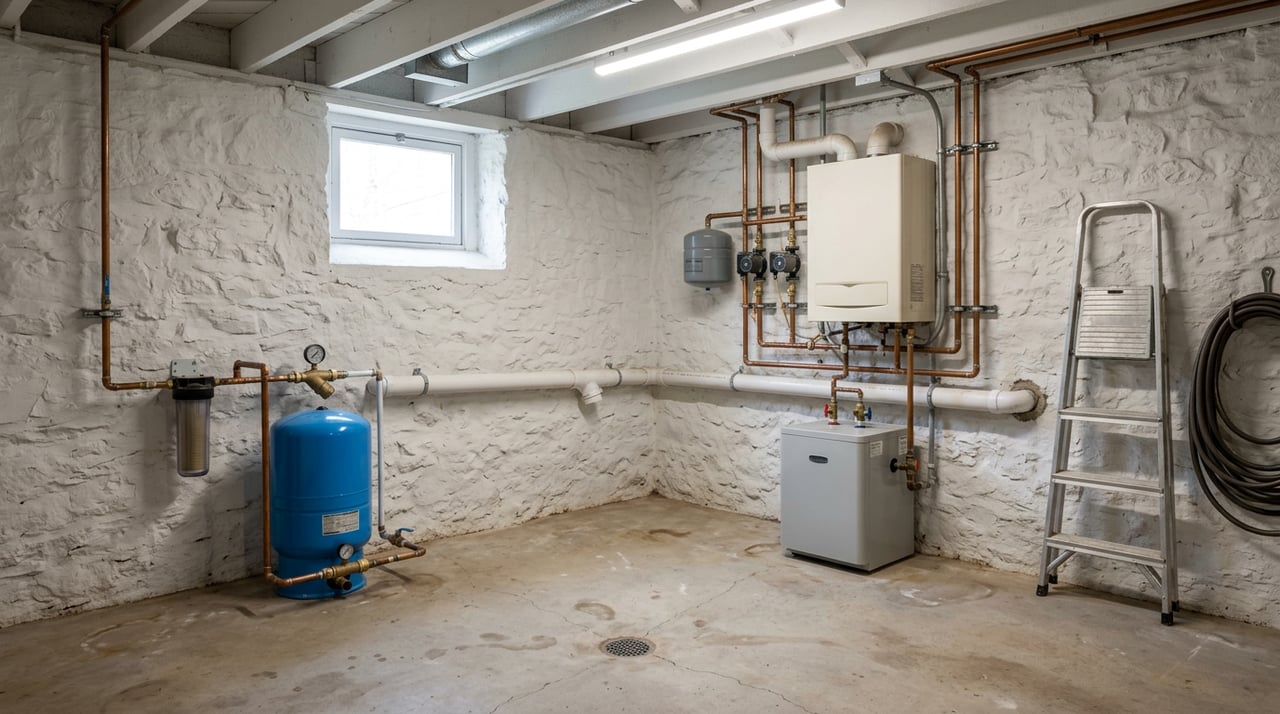
Beyond water quality, a licensed well contractor should assess the system’s performance. A typical check includes testing the pump, measuring static and drawdown levels, and inspecting the wiring, pressure tank, and visible wellhead. If you notice low pressure, short‑cycling of the pump, or sudden changes in taste, odor, or color, treat those as red flags and expand your testing. Use a DEC‑registered well contractor and keep all reports with your purchase records.
Septic systems: how they work here
Most rural homes in the Hudson Valley use on‑site wastewater systems. New York’s design standards are in the Sanitary Code, and counties like Ulster review plans, witness test pits, and issue permits for new systems. Common systems you may see include conventional tanks with leach fields, chamber systems, pressure‑dosed fields, mounds or sand filters for shallow soils, and aerobic treatment units. Some older properties may have legacy systems that need repair or replacement. For a plain‑English overview, Cornell University explains these common septic system types and considerations.
If you need to verify local permitting steps or certified labs, Ulster County’s Environmental Health Division posts forms and instructions for sewage disposal. Start with the county’s sewage disposal page and applications to understand process and documentation.
Septic inspections during a purchase
A real‑estate septic inspection can range from a records review to a full on‑site evaluation. Many inspectors or county health staff will require a pump‑out to inspect the tank interior. A typical visit checks the tank, baffles, distribution box, leach field, and surface conditions, and may include dye testing. If you do not have clear pump‑out records or a permit history, plan on an internal inspection and pump‑out.
In Dutchess County, some towns require private‑well testing on sale. While requirements vary, this is a good reminder to confirm local rules. Review municipal ordinances and town code, including examples like Dutchess County municipalities with testing rules, and verify the latest details through the town clerk or health department. Dutchess County also shares county‑level notes on water‑quality monitoring and local testing.
Septic red flags and next steps
Pay attention to slow drains, recurring backups, wet or lush areas over the drainfield, or frequent emergency pump‑outs. These can signal a failing system. If major repairs or replacement are likely, you will need a licensed design professional, county review, and time for permitting. Build a septic evaluation and repair contingency into your offer so you have room to negotiate scope, credits, or timing based on findings. Learn more about warning signs from Cornell’s septic basics page.
If you are facing replacement costs, ask the county health office about assistance. Federal and state programs sometimes help finance decentralized wastewater projects. The EPA outlines possible funding paths for septic systems; local availability varies by year and county.
Oil and propane: confirm details early
Many Hudson Valley homes heat with oil or propane. When you tour a house, confirm the fuel type and whether the tank is aboveground or buried. Ask if the tank is owned or leased, and request ownership or lease paperwork, recent delivery and inspection records, and any tank removal or soil cleanup documents. Home inspectors and HVAC pros should also look for fill and vent pipes that may indicate an abandoned tank on site.
Underground heating‑oil tanks can create liability if a leak is discovered. While residential tanks used for on‑site consumption are often treated differently from commercial regulated tanks, a release usually triggers state or local reporting and cleanup. That is why documented tank closure or removal is so important at sale. For practical guidance on handling releases and cleanup records, review this state overview on residential heating‑oil tank releases.
For propane, verify whether the tank is leased and ask the supplier about transfer steps. Confirm the tank’s location and regulator setup meet code and that the supplier conducts safety checks. Ask for the lease terms so you know how delivery and pricing will work after closing.
Your inspection timeline and team
Once your offer is accepted, move fast on due diligence. Add contingencies for a water test and a septic inspection or pump‑out if records are unclear. Ask the seller for well logs, past lab results, septic permits or as‑builts, and any HVAC service contracts right away. Keep copies in a single folder so you can share them with specialists and your lender.
Schedule a licensed home inspector and, in parallel, bring in specialists:
- Well: DEC‑registered driller or pump tech for a mechanical check and static/drawdown measurements; ELAP‑certified lab for water testing. See the NYSDEC contractor program and NYSDOH’s testing guidance.
- Septic: licensed septic inspector/pumper; if replacement is likely, consult an engineer and review county requirements using Ulster County’s sewage disposal guidance.
- Heating: qualified HVAC or boiler technician to inspect oil or propane equipment and venting; request tank ownership or lease documents.
- Oil tank concerns: if a buried tank is suspected, consider a tank sweep and request prior removal or cleanup documentation. See the overview of residential oil tank releases.
Local programs and rules to watch
- Private‑well PFAS pilot: New York has a pilot program supporting PFAS testing and mitigation in Putnam, Dutchess, and Ulster. Follow county health pages and the program announcement for updates and how to apply.
- Dutchess municipal testing rules: Some towns require private‑well testing on sale. Check local code and start with this Dutchess ordinance reference to see examples, then verify the latest text with the town.
- County resources: Ulster County posts permitting forms, lab lists, and instructions for water and sewage. Bookmark the county Environmental Health portal for current materials.
Quick buyer checklist
Use this shortlist to stay organized from offer to closing:
- Ask the seller for the well completion log, past water test results, septic permit or as‑built, pump‑out receipts, HVAC service records, and any tank removal or soil remediation documents.
- Order a baseline water test for total coliform and E. coli if present, plus nitrate/nitrite; add arsenic, lead, iron, manganese, or PFAS as indicated by location, history, or program eligibility. Follow NYSDOH testing guidance.
- Schedule a DEC‑registered well contractor for a mechanical check and use an ELAP‑certified lab. See the state contractor program.
- Arrange a septic inspection and pump‑out if records are incomplete. Confirm county requirements with Ulster County’s sewage disposal guidance.
- Have an HVAC technician inspect oil or propane systems and verify tank ownership or lease status. If a buried tank is suspected, request prior removal and cleanup documentation.
- Keep contingencies for water quality, septic, and heating systems so you can negotiate repairs, treatment, or credits based on specialist reports.
Buying in the Hudson Valley should feel exciting, not stressful. With the right testing, inspections, and documentation, you can buy confidently and plan improvements on your terms. If you want an advocate who represents only you, our team’s no‑dual‑agency stance keeps your interests first. Have questions about a specific property’s well, septic, or heating system? Connect with Theresa Joyner to schedule a free consultation.
FAQs
What should a well water test include for a Hudson Valley home?
- Order a baseline panel for total coliform (and E. coli if present) and nitrate/nitrite, then add arsenic, lead, iron, manganese, or PFAS based on location, history, and NYSDOH guidance.
How does a real‑estate septic inspection typically work?
- Inspectors review records, often pump the tank to inspect the interior, check baffles and the distribution box, observe the leach field and surface conditions, and may perform dye testing.
What if an underground oil tank is suspected on the property?
- Ask for prior removal or remediation records, consider a tank sweep, and review guidance on handling releases; documented closure or cleanup is important before closing.
Do any Dutchess County towns require well testing at sale?
- Yes, some municipalities do; verify the local town code and review Dutchess references to confirm whether testing is required before transfer.
Are there programs to help test or treat PFAS in private wells?
- New York’s pilot program includes Putnam, Dutchess, and Ulster counties and may reimburse testing or mitigation; follow county health updates for application steps.
Who should you hire to inspect a private well before buying?
- Use a DEC‑registered well contractor for the mechanical check and an NYSDOH/ELAP‑certified lab for water testing; keep a copy of all results for your records.