Trying to choose between a Dutchess County river town and an inland town? That decision often comes down to how you want to live day to day. You may be weighing train access, walkability, and riverfront amenities against more land, quieter surroundings, and lower-density neighborhoods. This guide will help you compare the two clearly so you can focus your search with more confidence. Let’s dive in.
River Towns vs Inland at a Glance
In Dutchess County, the Hudson River corridor is the county’s most transit-connected spine. Communities tied to that corridor include places like Beacon, Poughkeepsie, Hyde Park, Wappinger, and Rhinebeck, with Metro-North Hudson Line service at Beacon, New Hamburg, and Poughkeepsie, plus Amtrak access at Rhinecliff.
By contrast, inland towns such as Pleasant Valley, Amenia, East Fishkill, and LaGrange tend to be shaped more by rural preservation, suburban corridors, hamlets, and car-based travel patterns. County bus routes and park-and-ride options still matter in several of these areas, but the overall feel is usually less rail-centered and less tied to the river.
At the highest level, the comparison is simple: river towns often offer more convenience and density, while inland towns often offer more land, privacy, and flexibility.
What Defines a River Town
Dutchess County river towns are generally connected by the Hudson corridor’s transportation and public spaces. The Hudson Line serves Beacon, New Hamburg, and Poughkeepsie, and local bus planning also clusters around corridors such as Poughkeepsie to Beacon and Fishkill, and Poughkeepsie to Hyde Park and Rhinebeck.
These towns often have stronger relationships between downtown areas, train stations, waterfronts, and public trails. Beacon’s planning connects its station, downtown, and riverfront, while Poughkeepsie’s waterfront planning centers on parkland and redevelopment around the station area.
That creates a more compact pattern of living in many river communities. Depending on the town, you may be closer to a main street, public parks, trails, or transit than you would be farther inland.
What Defines an Inland Town
Inland towns in Dutchess County are usually shaped by open land, agriculture, hamlet centers, and lower-density residential patterns. Planning materials for Pleasant Valley and Amenia specifically emphasize rural character, while East Fishkill is described as having a rural-suburban commercial hamlet form.
That does not mean inland towns lack convenience. It means the balance is different. Instead of a station-centered or waterfront-centered lifestyle, you are more likely to find a pattern built around driving, local commercial corridors, park-and-ride access, and residential areas spread over a larger area.
For many buyers, that tradeoff is appealing. If your priority is elbow room, detached homes, or a setting with more separation between properties, inland towns may align more closely with your goals.
Housing Style and Development Patterns
River corridor homes
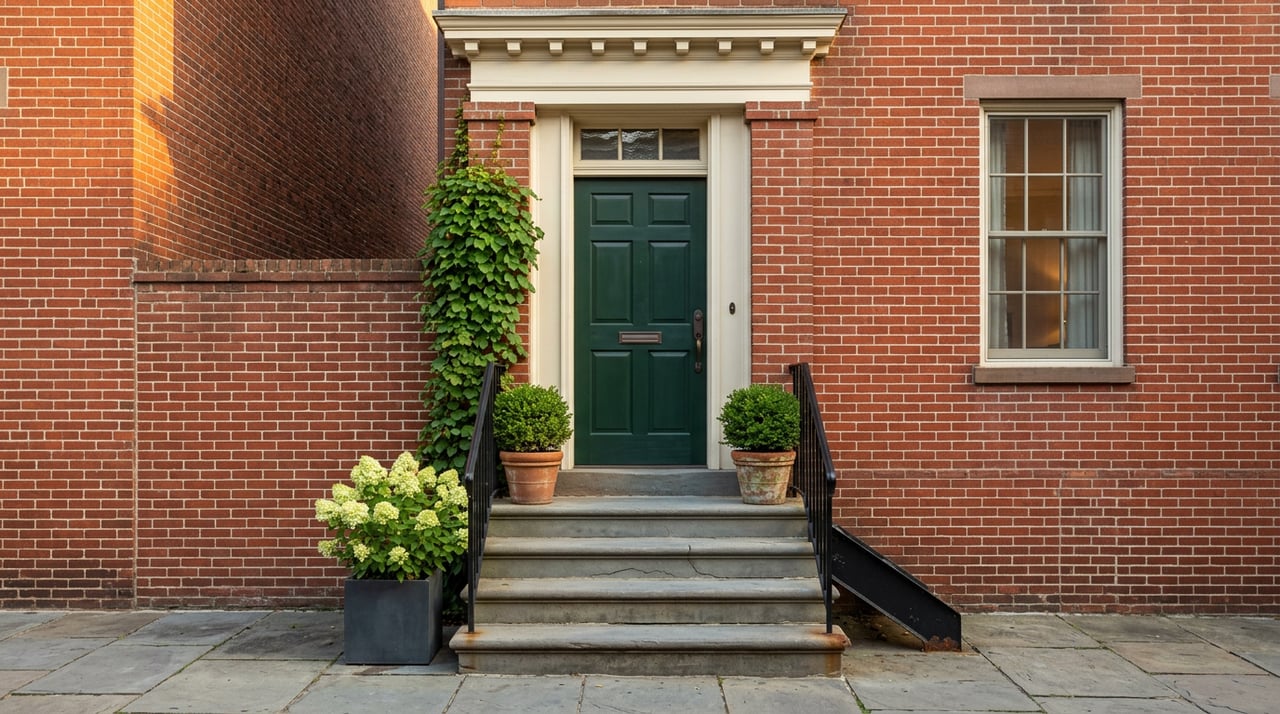
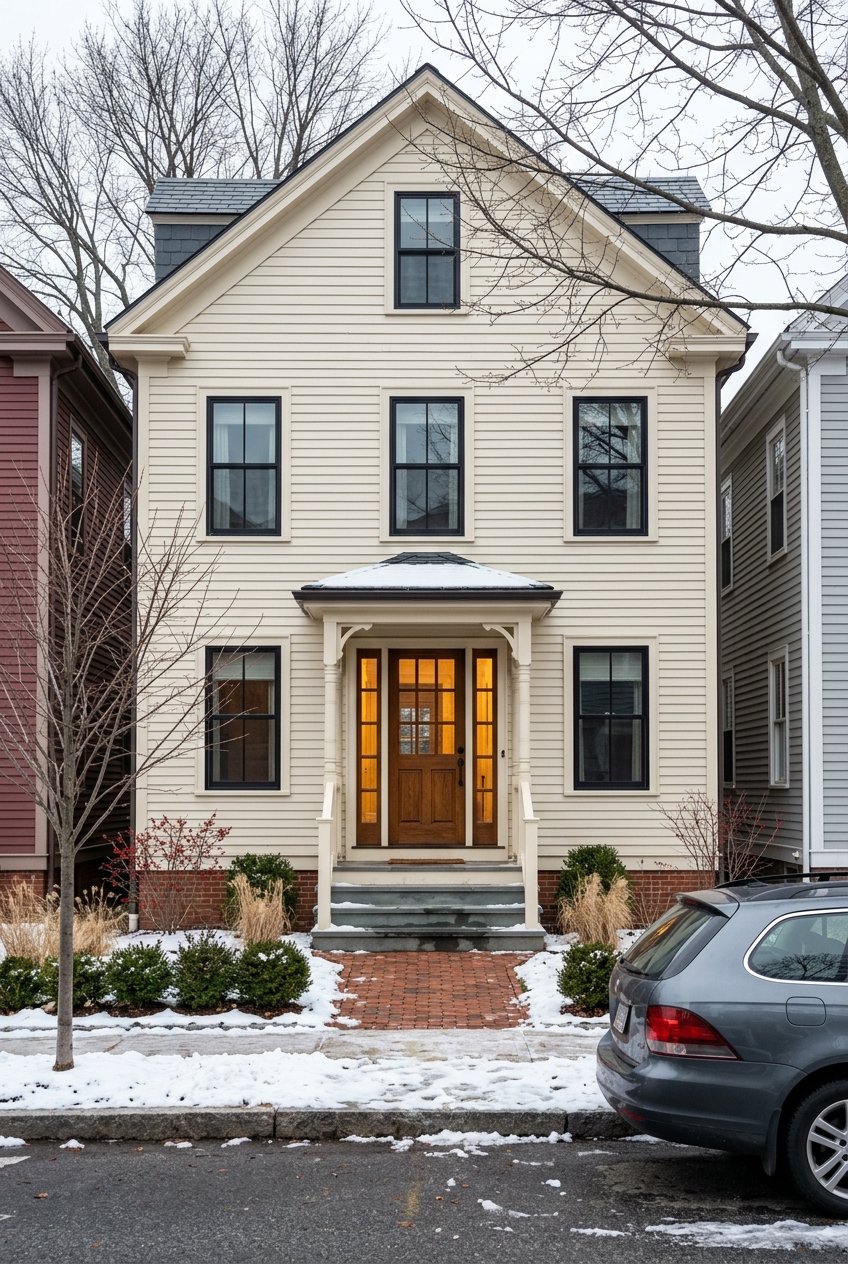
River-town housing tends to be older, more compact, and more village-oriented in character. Official planning materials point to in-town homes, mixed-use buildings, infill opportunities, and buildings placed closer to the street, especially in places like Beacon, Poughkeepsie, Hyde Park, and Rhinebeck.
In practical terms, you may see more traditional village layouts, smaller lot patterns, and homes closer to downtown or civic areas. If you like the idea of a more connected street pattern and established town centers, the river corridor may feel like a better fit.
Inland housing patterns
Inland towns generally emphasize open space and lower-density housing. Planning documents for Pleasant Valley, Amenia, and East Fishkill suggest settings that are more likely to include larger lots, detached homes, farm-adjacent properties, and corridor-style development rather than tightly clustered village housing.
For buyers, that can mean more options if you want outdoor space or a property that feels less compressed. It can also mean more upkeep, more driving, and a wider range of property systems and land-use considerations depending on the specific home.
Commute and Transportation Differences
River towns and rail access
If your routine depends on transit, river towns hold a clear advantage in Dutchess County. Metro-North Hudson Line service currently stops in Beacon, New Hamburg, and Poughkeepsie, and Rhinecliff adds Amtrak access on the eastern river side.
Local connections also support that network. Beacon has a city bus loop that begins and ends at the Metro-North station, and Wappinger describes daily county bus service, rail-link buses from New Hamburg, and pedestrian and bike connections in its centers.
For many households, this can make daily life feel more flexible. You may be able to structure your routine around rail, bus, walking, biking, or a shorter drive to a station.
Inland towns and car-oriented travel
Inland commute patterns are usually more car-oriented, especially outside hamlet centers. Dutchess County bus routes still connect many inland and outer-corridor destinations, and the county maintains park-and-ride lots in areas such as East Fishkill, Wappingers Falls, and Red Hook.
Still, service tends to be thinner outside the core corridor. County route changes in 2024 removed some underused stretches in places such as Hyde Park, Red Hook, and Tivoli, which is a useful reminder that not every area has the same level of transit coverage.
Amenia is a notable exception. Wassaic on the Harlem Line provides rail access, though Metro-North notes that branch-line service there is less frequent than on core segments.
Lifestyle and Daily Routine
River-town lifestyle
River towns usually trade some space for more built-in amenities. Beacon offers riverfront parks and a station-anchored bus loop, Poughkeepsie has extensive public parkland and the Walkway Over the Hudson, Wappinger connects waterfront areas and greenway trails, Hyde Park links historic sites to Riverfront Park, and Rhinebeck highlights views, historic sites, and trail connectivity.
In everyday terms, that can mean more opportunities to spend time near parks, downtowns, trails, and civic spaces without always getting in the car. If you value a more connected daily rhythm, the river corridor may be appealing.
Inland lifestyle
Inland towns often trade river access for open space, agricultural landscapes, and quieter residential settings. Pleasant Valley emphasizes farms, rural land, local shops and restaurants, and hamlets with limited commercial activity. Amenia highlights rural character, natural beauty, agriculture, walkable hamlet centers, and recreation like the Wassaic trail-to-train and Harlem Valley Rail Trail.
East Fishkill reflects a more suburban edge in its planning framework, with corridor development and infrastructure planning shaping the local pattern. So while inland living may offer fewer waterfront or downtown amenities, it may provide more privacy, more room, and a different pace.
The Middle Ground Matters
This comparison is not completely black and white. Some towns sit between the two extremes, and that matters when you start narrowing your options.
Wappinger and Hyde Park are part of the river corridor, but they can feel more spread out than Beacon or downtown Poughkeepsie. On the other side, Amenia is rural in character but still benefits from trail access and the nearby Wassaic rail connection.
That middle ground is important if you want a blend of convenience and space. In many searches, the best fit is not the most urban-feeling river town or the most rural inland setting, but something in between.
How Buyers Can Choose More Confidently
The right choice depends on what you want your week to look like, not just what looks good in a listing photo. A home can be a great fit on paper and still feel wrong if the location does not support your routine.
As you compare Dutchess County river towns and inland towns, ask yourself:
- Do you want direct train access or easy station connections?
- Do you prefer a walkable town center or more land around the home?
- How often are you comfortable driving for errands, commuting, or recreation?
- Do you want a compact in-town setting or a lower-density residential area?
- Are parks, trails, downtowns, and waterfront spaces part of your regular lifestyle?
If you are relocating from a denser area, this exercise is especially useful. The shift from train-oriented living to car-oriented living can feel bigger than many buyers expect.
What Sellers Should Keep in Mind
If you are selling in Dutchess County, this river-versus-inland distinction can also shape how your home is positioned. Buyers are often not just shopping for square footage. They are shopping for a lifestyle pattern.
A river-corridor property may attract buyers focused on station access, park proximity, or town-center convenience. An inland property may appeal more to buyers looking for privacy, land, detached-home living, or a rural or suburban setting.
That is why local positioning matters. Clear messaging about access, setting, and day-to-day use can help buyers understand the value of your location more quickly.
If you want help comparing specific Dutchess County towns or figuring out how to position your home for the right buyer, Theresa Joyner offers calm, client-first guidance backed by a no-dual-agency approach and deep Hudson Valley market knowledge.
FAQs
What is the main difference between Dutchess County river towns and inland towns?
- River towns generally offer more transit access, downtown convenience, and waterfront or trail-oriented amenities, while inland towns generally offer more open space, lower-density housing, and a more car-oriented lifestyle.
Which Dutchess County towns are considered river towns in this comparison?
- This comparison focuses on Beacon, Poughkeepsie, Hyde Park, Wappinger, and Rhinebeck as key river-corridor communities tied to the Hudson River and stronger transit connections.
Which Dutchess County towns are considered inland in this comparison?
- This comparison highlights Pleasant Valley, Amenia, East Fishkill, and LaGrange as inland examples shaped more by rural, hamlet, or suburban corridor patterns than direct riverfront rail access.
Are Dutchess County river towns better for commuting?
- For many buyers, yes. River towns have the county’s strongest mix of Metro-North access, local bus connections, and station-centered mobility, especially in Beacon, New Hamburg, and Poughkeepsie.
Do inland Dutchess County towns still have transit options?
- Yes. County bus service and park-and-ride options serve several inland corridors, and Amenia also benefits from access to Wassaic on the Harlem Line, though service there is less frequent than on core rail segments.
Are homes in Dutchess County river towns and inland towns built differently?
- In general, river-town housing tends to be more compact and village-oriented, while inland areas tend to emphasize lower-density patterns with larger lots, detached homes, and more open land around residential areas.
Is there a middle-ground option in Dutchess County?
- Yes. Wappinger and Hyde Park can offer river-corridor benefits with a more spread-out feel, while Amenia offers a rural setting with some rail and trail access.